
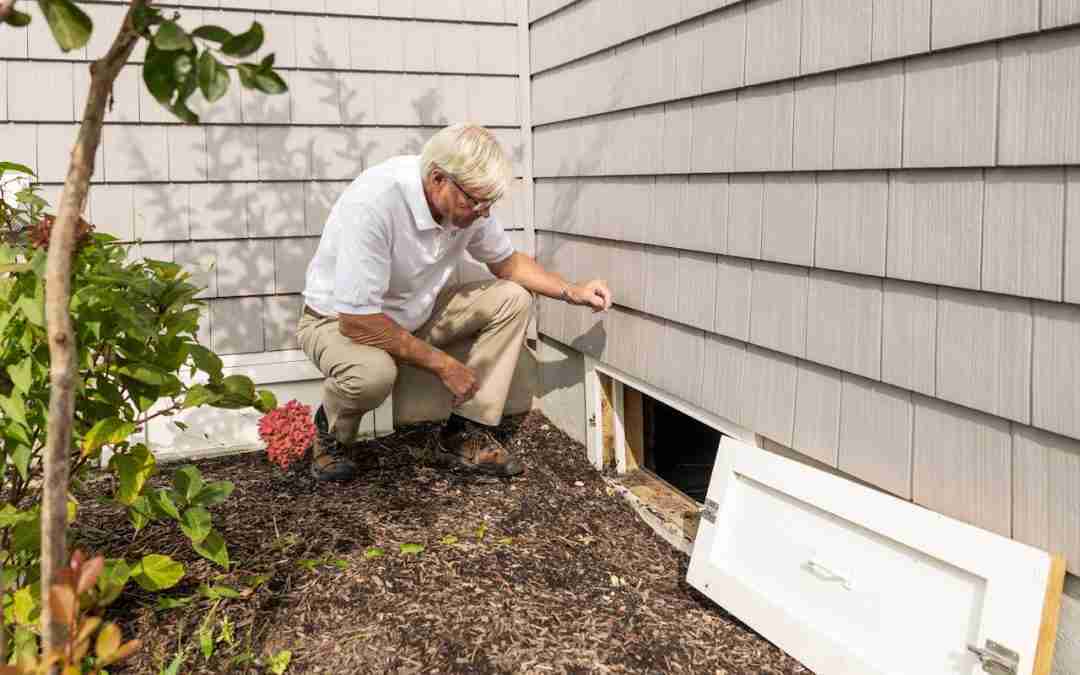
Moisture, Crawl Spaces, and Termites in Birmingham Homes
Moisture under a house is not just a comfort problem; it is a wood and pest problem. In the Birmingham area, damp crawl spaces and wet soil around foundations are some of the biggest reasons termites and other pests move in and stay. When wood stays damp, it is softer, easier to chew, and much more attractive to hungry insects.
This article explains how Birmingham weather feeds crawl space moisture, why that matters for termites, and the warning signs homeowners and business owners should watch for. It also outlines what a professional termite inspection in Birmingham can uncover and how moisture control and termite protection work best when they are done together.
How Birmingham Weather Creates Crawl Space Moisture Problems
Late spring and summer in Central Alabama often mean warm days, sticky air, and storms that drop a lot of rain in a short time. Around Birmingham, that mix leads to:
- Water pooling around foundations
- Damp soil that stays wet for days
- Humid air pushing into vents and crawl spaces
When that humid air hits cooler surfaces under your home, it turns into condensation. Over time, that extra moisture can soak into wood, insulation, and soil.
Damp, shaded crawl spaces are very attractive to pests that are common in the Birmingham area, such as:
- Subterranean termites
- Ants
- Cockroaches
- Spiders and other crawling insects
These pests prefer dark, quiet spaces with steady moisture. Once they get established under a home, they often move up into living areas, wall voids, and around plumbing lines.
A professional termite inspection in Birmingham does more than look for insects. A careful inspector can:
- Check for excess moisture and damp wood
- Spot early termite activity that is easy to miss
- Find problem areas around the foundation that need attention
Catching moisture and termite issues at the same time helps prevent long-term structural damage and surprise repairs later.
How Crawl Space Moisture Feeds Termite Activity
Subterranean termites live in the soil and need moisture to survive. When a crawl space stays damp, it creates ideal conditions for them to feed and expand their colonies.
In a wet crawl space:
- Wood framing absorbs moisture and becomes softer
- Condensation forms on floor joists and beams
- Soil stays wet enough for termites to travel safely in mud tubes
Soft, damp wood is much easier for termites to chew. Moist soil also helps them build protected tunnels up to the structural wood in your home.
Birmingham homeowners may notice real world signs that point to hidden moisture:
- Musty or earthy odors coming from vents or low areas
- Cupping or buckling hardwood floors
- Sweating or dripping ductwork in the crawl space
- Mold or mildew spots on floor joists or subfloor
- Doors or trim that warp or stick when opening and closing
These conditions do not always mean termites are active, but they significantly raise the risk. Treating termites without fixing moisture often leads to repeat problems. Drying the crawl space and protecting the structure from water makes any termite treatment more effective and longer lasting.
Common Crawl Space and Termite Red Flags in Birmingham
Homeowners and property managers can often see early warning signs during a quick visual check, especially after strong storms or long stretches of humid weather in Central Alabama.
Moisture and crawl space red flags include:
- Standing water or mud in the crawl space
- Efflorescence, a white, chalky powder on foundation walls
- Rusted metal supports or hardware
- Bubbling or peeling paint near the bottom of walls
- Sagging, fallen, or damp insulation
Termite-related red flags to watch for:
- Mud tubes running up foundation walls or piers
- Soft or hollow-sounding baseboards or window trim
- Discarded insect wings on windowsills or near doors
- Small piles of frass, termite droppings that look like fine grains
Seeing even one of these signs is enough reason to schedule a termite inspection in Birmingham, especially in older homes, houses with crawl spaces, or properties built on heavy clay soils where water tends to pool and drain slowly.
Proven Moisture and Termite Solutions for Birmingham Homes
A professional crawl space and termite inspection from a trained team should be thorough and detailed. A careful inspection often includes:
- Moisture readings in wood and along foundation walls
- Structural checks of joists, beams, and subfloor
- Interior and exterior inspection for termite activity and entry points
- Photos and documented notes from the crawl space
Once problems are found, effective moisture control for Birmingham homes may involve services such as:
- Improving drainage so water flows away from the foundation
- Installing or upgrading a plastic vapor barrier on the ground
- Crawl space encapsulation to separate humid air from the structure
- Adding a dehumidifier for long-term moisture control
- Sealing cracks, gaps, and openings that let humid air and pests in
For termite protection, family-safe treatment options often include:
- Termite baiting systems that target colonies at the source
- Targeted liquid treatments along foundations and key entry points
- Ongoing monitoring to spot new activity early
When moisture control and termite protection work together, Birmingham homes tend to stay drier, more comfortable, and better protected from future infestations.
Protecting Birmingham Businesses From Termite Damage
Moisture problems are not limited to homes. Commercial buildings across the Birmingham Metro can have crawl spaces, basements, or slab edges that hold moisture and invite termites.
For businesses, termite damage can lead to:
- Unsafe floors, walls, or support beams
- Damage to stored inventory or equipment
- Health and safety concerns related to mold and pests
- Code compliance issues and inspections that do not pass
- Unexpected closures while structural repairs are completed
Restaurants, offices, warehouses, and small retail spaces may not see what is happening under the building until the damage is serious. Regular commercial termite inspections in Birmingham, paired with routine checks of crawl spaces and foundation areas, help catch hidden issues before they disrupt daily operations or hurt property value.
When to Call for Help and What to Expect Next
Timing matters with both moisture and termites. It is smart to seek professional help:
- After periods of heavy spring or summer rain
- Before listing a property for sale
- When buying a home, especially with a crawl space
- At the first sign of musty odors, standing water, or visible termite activity
When you work with a family-owned provider like Alabama Termite & Pest Solutions, you can expect clear, straightforward service. Our experienced team schedules inspections promptly, arrives when we say we will, and takes the time to explain what we find. We use proven, family-safe treatments and provide written findings, photos from the crawl space, and simple treatment plans that outline what needs to be done and why.
Moisture and termites do not fix themselves. As heat and humidity build, small problems can grow into costly damage. Scheduling a professional inspection early helps protect the structure of your home or business and ensures what is under your feet is dry, solid, and protected.
FAQs About Crawl Space Moisture and Termites in Birmingham
Why Is Birmingham So Prone to Crawl Space Moisture Problems?
Birmingham’s warm, humid climate and frequent heavy storms keep soil damp and push moist air into crawl spaces. That combination causes condensation on cooler surfaces and keeps wood and soil wetter for longer, which attracts termites and other pests.
Do I Need a Termite Inspection If I Only See Moisture, Not Insects?
Yes. Persistent moisture under a home or business greatly increases the risk of termite activity, even if you do not see insects yet. A professional termite inspection in Birmingham can check for both excess moisture and early termite signs before damage becomes obvious.
What Can I Do Between Professional Inspections?
You can walk the perimeter of your property and visually check accessible crawl space areas after heavy rain. Look for standing water, mud, sagging insulation, musty odors, and any mud tubes or damaged wood. If you see any of these, schedule an inspection promptly.
How Often Should Birmingham Homeowners Schedule Termite Inspections?
Most Birmingham homes benefit from at least an annual termite inspection, especially those with crawl spaces or known moisture issues. Homes with a history of termites or moisture problems may need more frequent monitoring as recommended by your pest professional.
What to Expect During an Alabama Termite & Pest Inspection?
Our team inspects interior and exterior areas, checks the crawl space for moisture and structural concerns, documents any termite activity or risk areas, and then reviews clear, written recommendations with you. We explain options, answer questions, and outline next steps so you know exactly what to expect from any recommended moisture control or termite treatment services.
Protect Your Birmingham Home With a Thorough Termite Inspection
If you have noticed signs of termite activity or just want peace of mind, Alabama Termite & Pest Solutions is ready to help with a detailed termite inspection in Birmingham. Our trained technicians will assess your property, explain any issues clearly, and recommend targeted solutions to protect your home. To schedule an appointment or ask questions about your situation, simply contact us today.